Unlocking the charm
Essential tips for renovating character homes
Renovating a character home is fundamentally different from working on a modern build.
It requires a specialised skill set, deep industry knowledge, and proven experience to avoid costly budget overruns and timeline delays. Understanding these differences is essential before embarking on a character home renovation.
Typically built prior to the 1940s, character homes are defined by their solid hardwood construction and intricate, handcrafted details that are rarely replicated in contemporary architecture. These homes carry a level of heritage, craftsmanship, and architectural value that makes them both highly desirable and uniquely complex to renovate.
Renovations to character homes present challenges not commonly encountered in modern builds. Many original timbers are no longer readily available, and the structures themselves are rarely square. Even seemingly simple elements, such as installing a vanity or laundry bench, require careful planning, as nothing fits as easily as it would in a newer home.
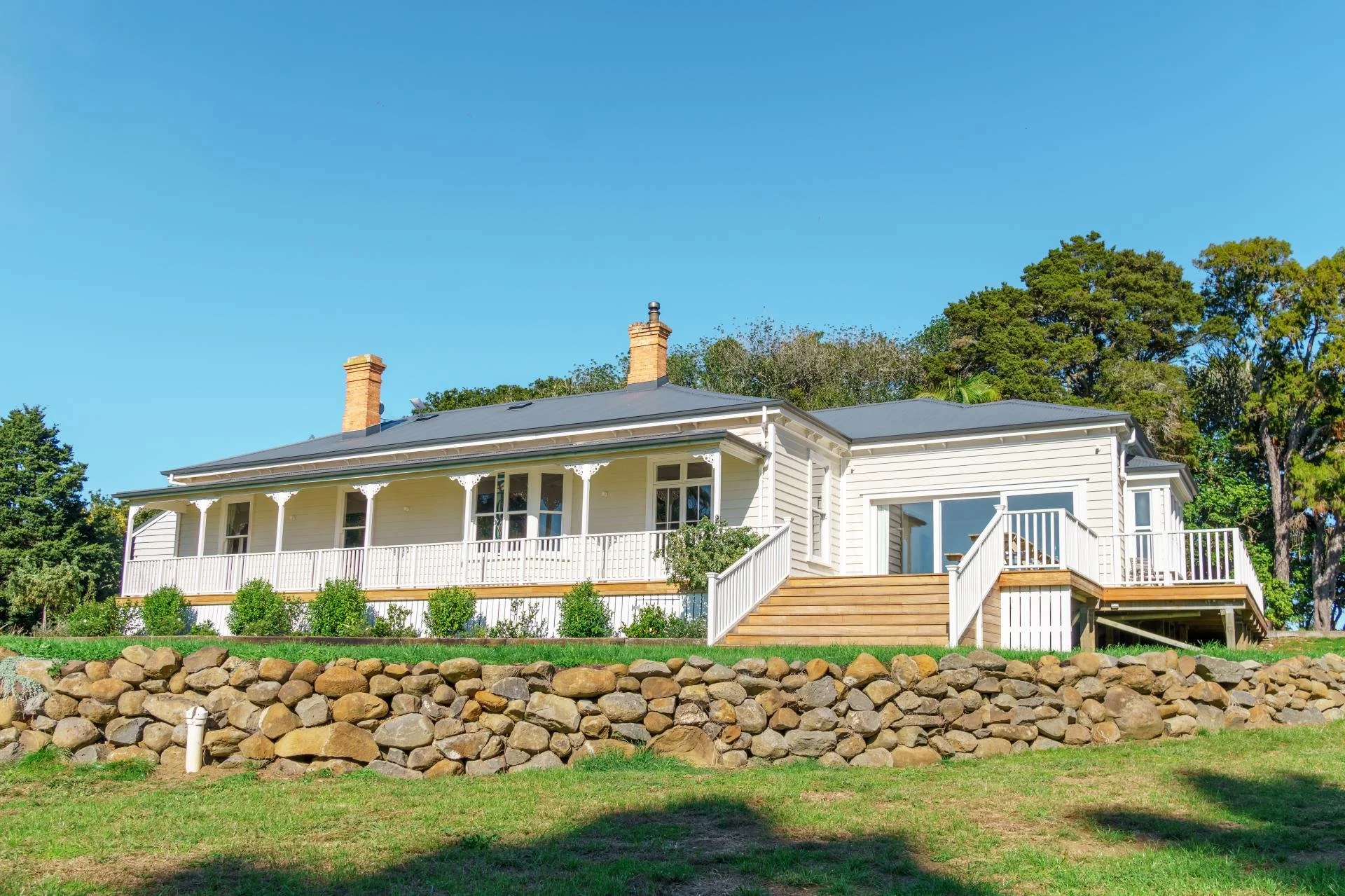
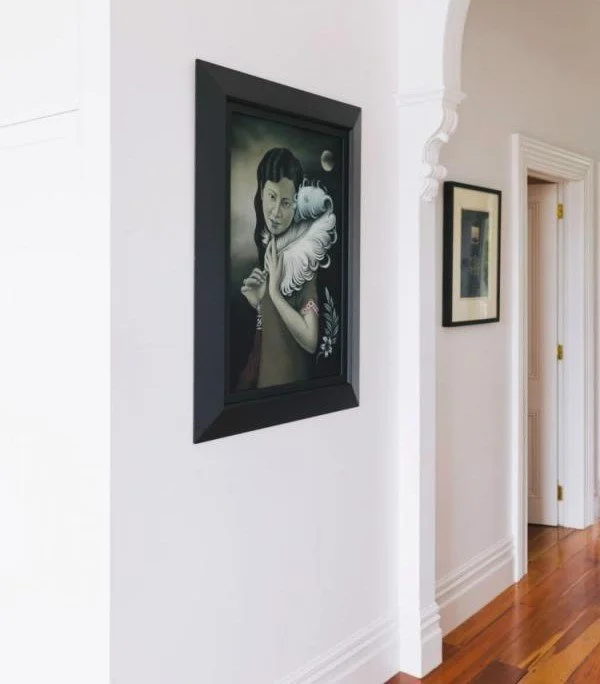
A defining aspect of character home renovations is the careful preservation of original architectural features. Large timber windows, ornate fireplaces, and native timber floorboards are not simply decorative details, but integral elements that contribute to the home’s character, craftsmanship, and historical value.
Large sash windows are a common feature of character homes. While visually striking and highly effective for natural ventilation when fully operational, many have been painted over or fixed shut over time, making restoration a detailed and time-intensive process. When restored correctly, these windows allow airflow throughout the home in a way rarely achieved in modern builds.
Retaining and restoring original fixtures helps maintain the authenticity of a character home while enhancing its longevity. Floorboards, in particular, play a significant role in preserving the home’s heritage. Given the high cost of installing new hardwood flooring, restoring original boards—often milled from native timbers such as kauri, rimu, and matai—offers exceptional value. Their generous width and length create a warmth and continuity that is difficult to replicate in contemporary construction.
Preserving Architectural Features
Integrating modern amenities
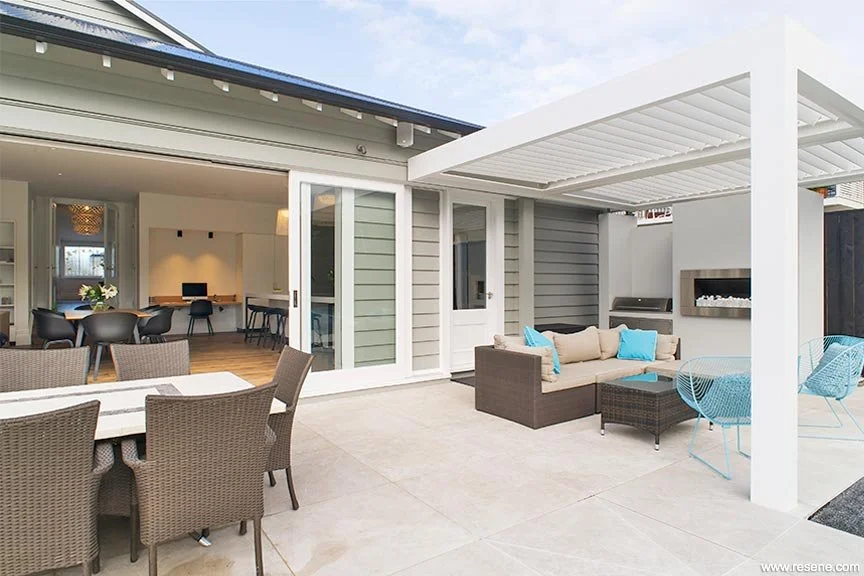
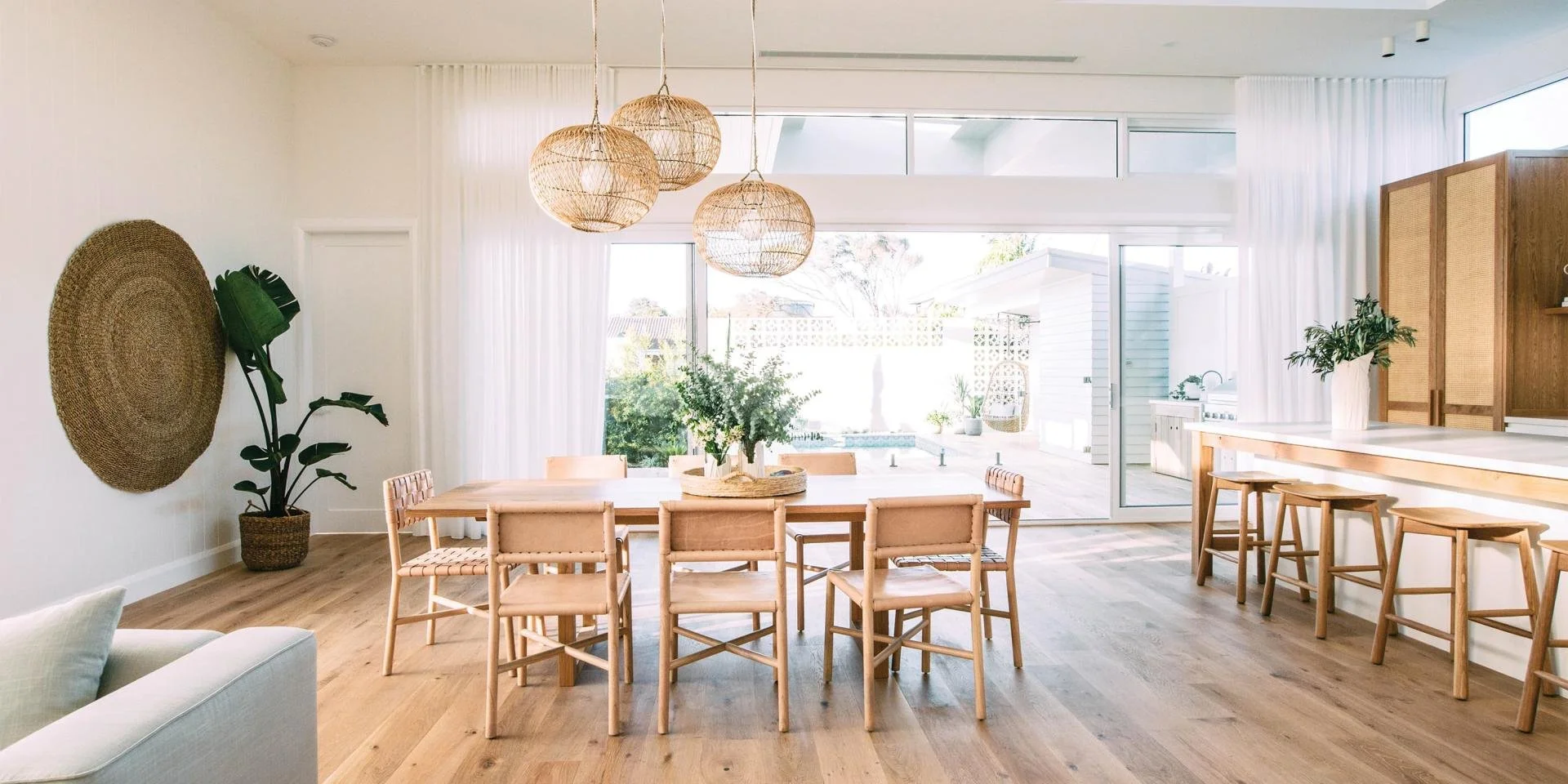
While respecting a character home’s history is essential, incorporating modern amenities is key to improving comfort, functionality, and liveability. Thoughtfully updating lighting, kitchens, bathrooms, and building technologies allows these homes to meet contemporary expectations without compromising their architectural integrity.
Subtle upgrades such as underfloor heating beneath tiled surfaces, modern bathroom layouts, and fully equipped kitchens introduce modern convenience while remaining sympathetic to the home’s original style. Similarly, high-performance windows designed to reflect traditional detailing can significantly improve warmth and energy efficiency without detracting from historic charm.
Achieving the right balance between preservation and modernisation requires careful planning and considered execution. By prioritising functional upgrades in key living areas while retaining the character of original spaces, homeowners can create cohesive environments that seamlessly blend heritage features with modern living.
Character home renovations also present an opportunity to adopt more sustainable building practices. Salvaging and repurposing materials from demolition reduces waste, lowers disposal costs, and supports community initiatives through redistribution or donation. This approach not only benefits the homeowner but also contributes positively to the wider community, aligning thoughtful renovation with responsible, sustainable outcomes.
Navigating cost & timeline considerations
Renovating a character home typically involves higher labour costs and longer timeframes than working on a modern property. Specialised carpentry, unforeseen structural conditions, and the sourcing of period-appropriate materials all add layers of complexity to the renovation process.
Working with native New Zealand timbers such as rimu or kauri requires a high level of craftsmanship and care. These dense, traditional materials often need to be hand-nailed rather than installed with modern nail guns, significantly increasing the time required for installation.
This level of specialised workmanship naturally impacts labour costs and project timelines, reinforcing the importance of working with an experienced team that understands the unique demands of character home renovations.
Structural irregularities hidden within walls can introduce unforeseen work, affecting both budget and project timelines. These unknowns are common in character homes and require a proactive, experienced approach to manage effectively.
For this reason, engaging a building company with proven experience in New Zealand character home renovations is essential. Expertise in working with native timbers, managing hidden structural challenges, and sourcing period-appropriate materials helps mitigate risk, control long-term costs, and ensure a renovation outcome that is both historically sensitive and executed to the highest standard.